Second chances can change lives and futures, and Wheeler’s Diversion First team puts this idea into action every day.
Launched in February 2026 through a three-year grant from the Connecticut Department of Children and Families, Diversion First is a multi-pronged effort to divert youth, ages 10 to 17, from the juvenile justice system and help them avoid formal incarceration, especially for low-level offenses, and the lifelong barriers of criminal records.
This six-month voluntary program—offered in cities and towns in southern and western Connecticut—utilizes the Youth Diversion Team (YDT) model, Trauma-Informed Restorative Diversion, a restorative justice model that focuses on the accountability of harm and addresses a youth’s underlying needs. Key elements include early intervention to move youth away from formal court processing during minor or first-time incidents; mental health counseling, substance use education, mentoring, and family support instead of detention; and community-based service, restorative justice, or educational classes with a special focus on individual accountability.
“Diversion First offers a meaningful alternative to incarceration for youth, and local law enforcement, school resource officers, families, and other community members are integral to this effort,” said Kimberly M. Nelson, LCSW, chief program officer, Wheeler. “By providing different paths to accountability and repair, including full engagement of families and caregivers, we can reduce repeat offenses, lower costs, and prevent the long-reaching, negative impacts of a formal criminal record.”
Referral Sources Are Key
Referrals to this program are accepted from law enforcement, Juvenile Court, and school resource officers for misdemeanor offenses pre- or post-arrest, providing a path into the program, where individual, family, and peer counseling, substance use treatment, and other forms of support and linkages to care from Wheeler are offered.
According to Nelson, the law enforcement community, in particular, is in a unique position to encounter and evaluate youth for referral and will work with the Diversion First team throughout the process.
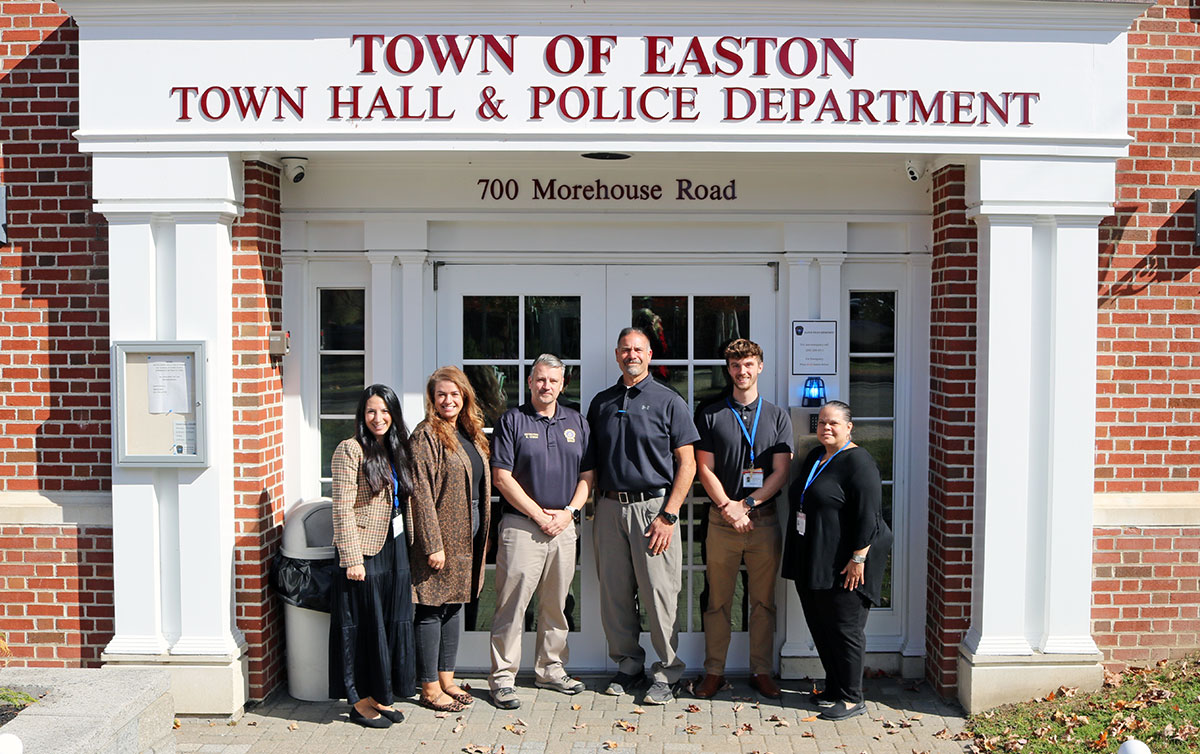
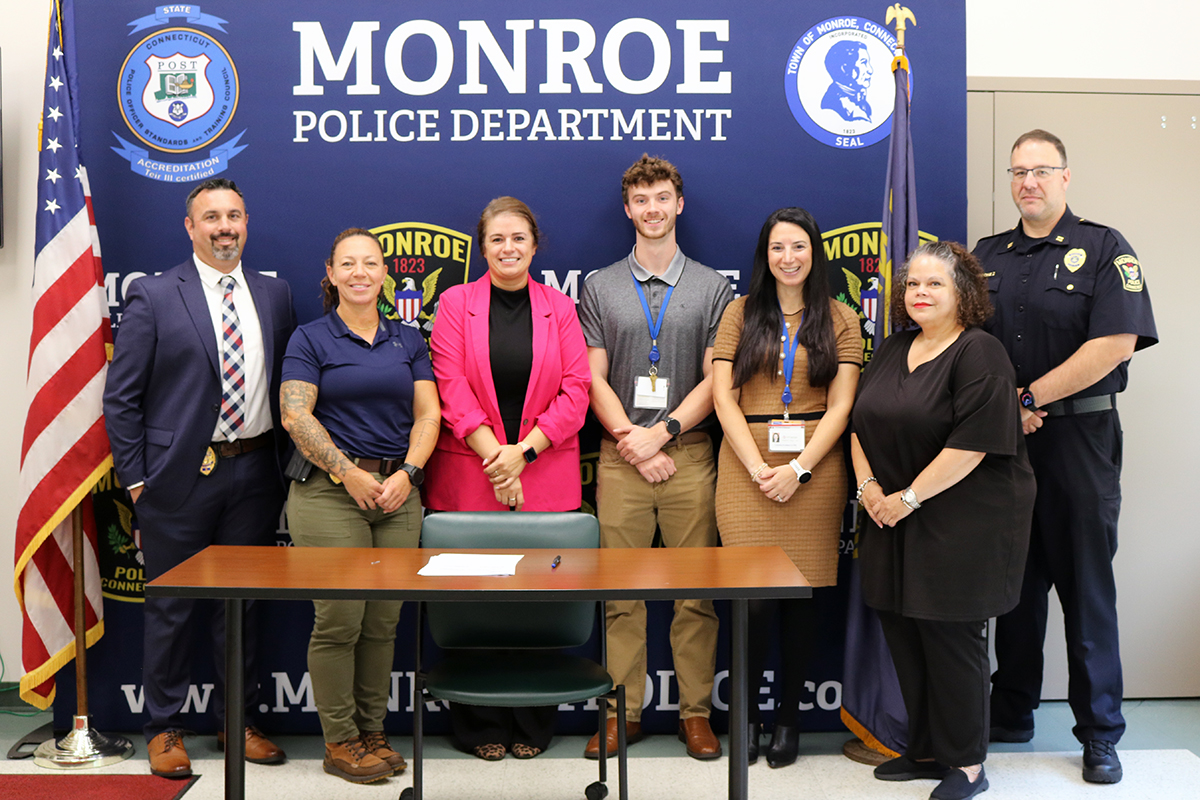 Wheeler works with law enforcement organizations in 15 communities, and that number is likely to increase. Some municipalities, such as the Monroe and Easton Police Departments (pictured), have signed Memorandums of Understanding (MOUs), formally outlining the parameters of the working relationship. Other departments will work collaboratively with Wheeler without an MOU.
Nelson praises the benefits of Diversion First and credits this concept with helping youth to move on from mistakes through less restrictive approaches.
 “The consequences of some actions can often last a lifetime, and this can be especially challenging with youth just starting their lives,” said Nelson. “We are committed to providing individuals with alternatives, with other ways to learn and grow so that they can move forward productively.”
Wheeler’s Diversion First program serves youth and families in the following cities and towns:
Site 1: Easton, Monroe, New Canaan, Wilton, Bethany, Milford, North Branford, North Haven, and Woodbridge
Site 3: Bethel, Bridgewater, Brookfield, Canton, New Fairfield, Redding, Sherman, Roxbury, Warren, Washington, Oxford, Prospect, and Wolcott
Partnerships have been established with police departments in the following cities and towns:
Site 1- Easton, Monroe, Bethany (State Police- Troop I), Milford, North Haven, and Woodbridge (State Police-Troop I).
Site 3- Brookfield, Canton, New Fairfield, Oxford, Prospect, Redding, Roxbury (Troop L-State Police), Warren (Troop L-State Police) and Washington