One Hope Street
Main navigation

Hope is available
Addiction treatment
Outpatient services, five convenient locations
Effective treatment for addiction
Personal and group support
Focused on your recovery
Individual treatment gives you one-on-one time with a counselor to focus on your personal challenges and goals, helping you to improve your mental health and well-being.
We also help families work through problems together in a way that supports both children and adults. Our team gives you tools to feel better and handle life’s challenges using your family's own strengths.

Find support for healing
Treatment groups for your care
We offer many treatment groups to help you work on your mental health, relationships, and recovery. Some groups focus on topics like grief, managing emotions, trauma, and substance use, and there are groups for children and adolescents, adults, men, women, mixed genders, and all gender identities. No matter where you are in your healing journey, there’s a group ready to support you.

Intensive help
Heavier support, keeping you at home
IOPs help people recover while still living at home. They provide counseling and group support several times a week for things like addiction. It’s a way to get intensive help without having to stay overnight in a hospital, so you can keep going with your daily life while getting care. Also, be sure to learn more about RECOVERY PLUS, provided in our Bristol, New Britain, and Waterbury health centers.
Weekly therapy and support
"RECOVERY PLUS"
Offered in our Bristol, New Britain, and Waterbury Family Health & Wellness Centers, this is a flexible, person-centered level of care designed by Wheeler to support individuals who may have traditionally qualified for Intensive Outpatient Programming (IOP) but who may benefit from a more individualized and customized approach.
Recovery Plus blends weekly individual therapy, family therapy, structured group support, and integrated medical/psychiatric services which are all coordinated at intake. This improves engagement, reduces barriers to care, and allows for tailored treatment planning while still maintaining clinical intensity.
Call using the link below, and intakes can also be done with a walk-in visit to Bristol, New Britain, and Waterbury, Monday through Friday, 9:00 AM–3:30 PM.

Support for recovery and health
Treating Addiction with Medicine
Medication-Assisted Treatment (MAT) (also called medications for substance use disorder) helps people recover from addiction by combining medicines like Suboxone (buprenorphine) and Vivitrol (naltrexone) with counseling and support. These medicines reduce cravings and withdrawal symptoms, making it easier to stay in treatment. MAT is safe, effective, and can help people build healthier lives.

Evidence-based treatment
Stimulant use disorder (StimUD) is a substance use disorder involving any of the class of drugs that include cocaine, methamphetamine, and prescription stimulants. Wheeler offers innovative, evidence-based treatment.

Guidance and hope in recovery
Support from Shared Experience
Peer support helps people who are recovering from addiction by connecting them with Wheeler staff who have been through similar struggles. These peers offer understanding, guidance, and encouragement. Their care gives hope and shows that recovery is possible.
Quick help for overdoses
NARCAN Saves Lives
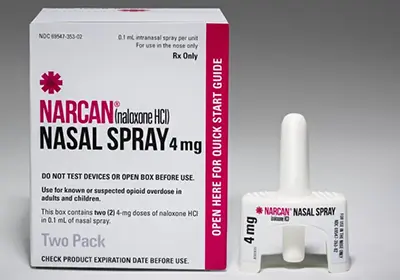
NARCAN is a medicine that quickly reverses an opioid overdose and can help save a person’s life. It works by blocking the effects of opioids in the body. Anyone can use it in an emergency to help someone until medical care arrives.
NARCAN is available for patients and families at all Wheeler Family Health & Wellness Centers, including an open cabinet in New Britain for the easiest access.
Personal and group support
Focused on your recovery
Individual treatment gives you one-on-one time with a counselor to focus on your personal challenges and goals, helping you to improve your mental health and well-being.
We also help families work through problems together in a way that supports both children and adults. Our team gives you tools to feel better and handle life’s challenges using your family's own strengths.
Find support for healing
Treatment groups for your care
We offer many treatment groups to help you work on your mental health, relationships, and recovery. Some groups focus on topics like grief, managing emotions, trauma, and substance use, and there are groups for children and adolescents, adults, men, women, mixed genders, and all gender identities. No matter where you are in your healing journey, there’s a group ready to support you.
Intensive help
Heavier support, keeping you at home
IOPs help people recover while still living at home. They provide counseling and group support several times a week for things like addiction. It’s a way to get intensive help without having to stay overnight in a hospital, so you can keep going with your daily life while getting care. Also, be sure to learn more about RECOVERY PLUS, provided in our Bristol, New Britain, and Waterbury health centers.
Weekly therapy and support
"RECOVERY PLUS"
Offered in our Bristol, New Britain, and Waterbury Family Health & Wellness Centers, this is a flexible, person-centered level of care designed by Wheeler to support individuals who may have traditionally qualified for Intensive Outpatient Programming (IOP) but who may benefit from a more individualized and customized approach.
Recovery Plus blends weekly individual therapy, family therapy, structured group support, and integrated medical/psychiatric services which are all coordinated at intake. This improves engagement, reduces barriers to care, and allows for tailored treatment planning while still maintaining clinical intensity.
Call using the link below, and intakes can also be done with a walk-in visit to Bristol, New Britain, and Waterbury, Monday through Friday, 9:00 AM–3:30 PM.
Support for recovery and health
Treating Addiction with Medicine
Medication-Assisted Treatment (MAT) (also called medications for substance use disorder) helps people recover from addiction by combining medicines like Suboxone (buprenorphine) and Vivitrol (naltrexone) with counseling and support. These medicines reduce cravings and withdrawal symptoms, making it easier to stay in treatment. MAT is safe, effective, and can help people build healthier lives.
Evidence-based treatment
Stimulant use disorder (StimUD) is a substance use disorder involving any of the class of drugs that include cocaine, methamphetamine, and prescription stimulants. Wheeler offers innovative, evidence-based treatment.
Guidance and hope in recovery
Support from Shared Experience
Peer support helps people who are recovering from addiction by connecting them with Wheeler staff who have been through similar struggles. These peers offer understanding, guidance, and encouragement. Their care gives hope and shows that recovery is possible.
Quick help for overdoses
NARCAN Saves Lives
NARCAN is a medicine that quickly reverses an opioid overdose and can help save a person’s life. It works by blocking the effects of opioids in the body. Anyone can use it in an emergency to help someone until medical care arrives.
NARCAN is available for patients and families at all Wheeler Family Health & Wellness Centers, including an open cabinet in New Britain for the easiest access.
How to Become a New Patient
New pediatric patients can:
Walk in or schedule a behavioral health evaluation
Monday–Friday, 9:00 AM–3:30 PM
Walk in or schedule a primary care evaluation at select locations
(See location details below.)
New adult patients can:
Walk in for behavioral health evaluations
Monday–Friday, 9:00 AM–3:30 PM
Walk in for primary care evaluations at some locations
(See location details below.)
Current Patients
Call or text to schedule your next appointment
Walk-ins welcome in Bristol, Hartford, and New Britain
Monday–Thursday:
8:00 AM–7:00 PM
Friday: 8:00 AM–6:00 PM
Walk-in primary care/behavioral health for new & existing patients.
Monday–Friday: 9:00 AM-3:30 PM
New child patients may walk in or schedule for both services.
Monday–Thursday:
8:00 AM–7:00 PM
Friday: 8:00 AM–6:00 PM
Walk-in primary care/behavioral health for new & existing patients.
Monday–Friday: 9:00 AM-3:30 PM
New child patients may walk in or schedule for both services.
Monday–Thursday:
8:00 AM–7:00 PM
Friday: 8:00 AM–6:00 PM
Walk-in primary care/behavioral health for new & existing patients.
Monday–Friday: 9:00 AM-3:30 PM
New child patients may walk in or schedule for both services.
Monday–Thursday: 8 AM–7 PM
Friday: 8 AM–6 PM
Walk-in (for new patients)
Behavioral health (M–F)
9 AM–3:30 PM
Primary care (Tu, Th, Fr)
9 AM–3:30 PM
New child patients may walk in or schedule for both services.
Monday–Thursday:
8:00 AM–7:00 PM
Friday: 8:00 AM–6:00 PM
Walk-in primary care/behavioral health for new & existing patients.
Monday–Friday: 9:00 AM-3:30 PM
New child patients may walk in or schedule for both services.
Mobile Medical
See detailsOur two Mobile Family Health & Wellness Centers provide care in the Bristol, Hartford, and New Britain community every week.
Mobile medical servicesReal patients, real hope
Recovery is always possible
Our patients are tackling opioid and alcohol addiction through medication-assisted treatment for addiction. The stories are real, and so is their hope.
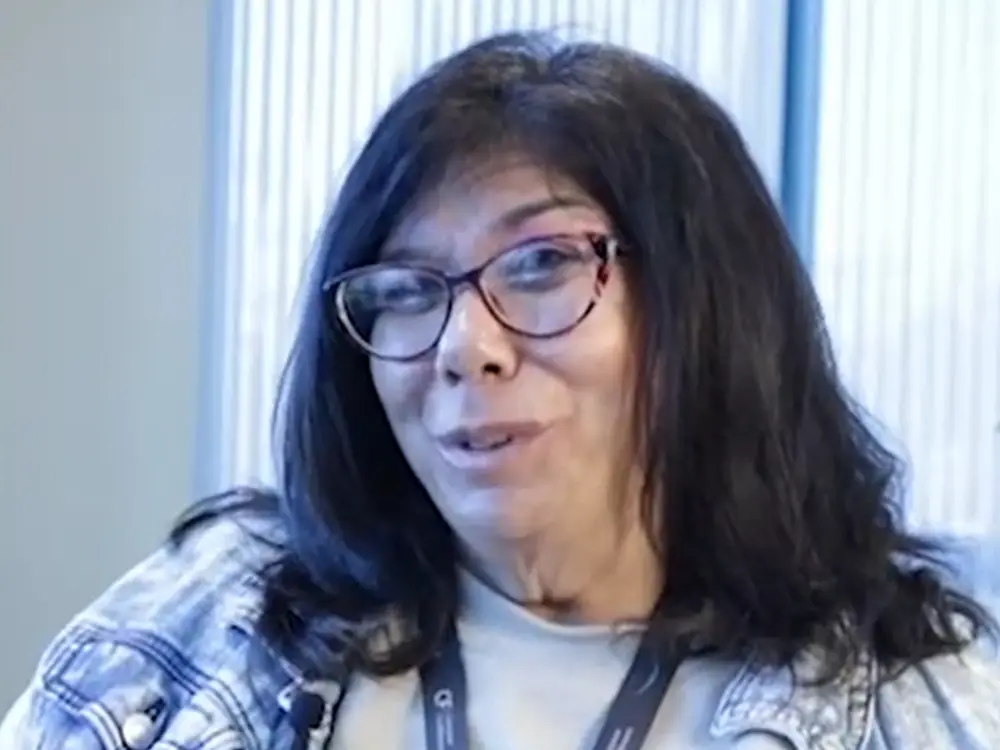
"Now, it's just a whole different perspective."
Jaqueline's story
Meet Jacqueline, a patient who is celebrating her recovery and Wheeler's integrated care team that works side-by-side with her, every day.
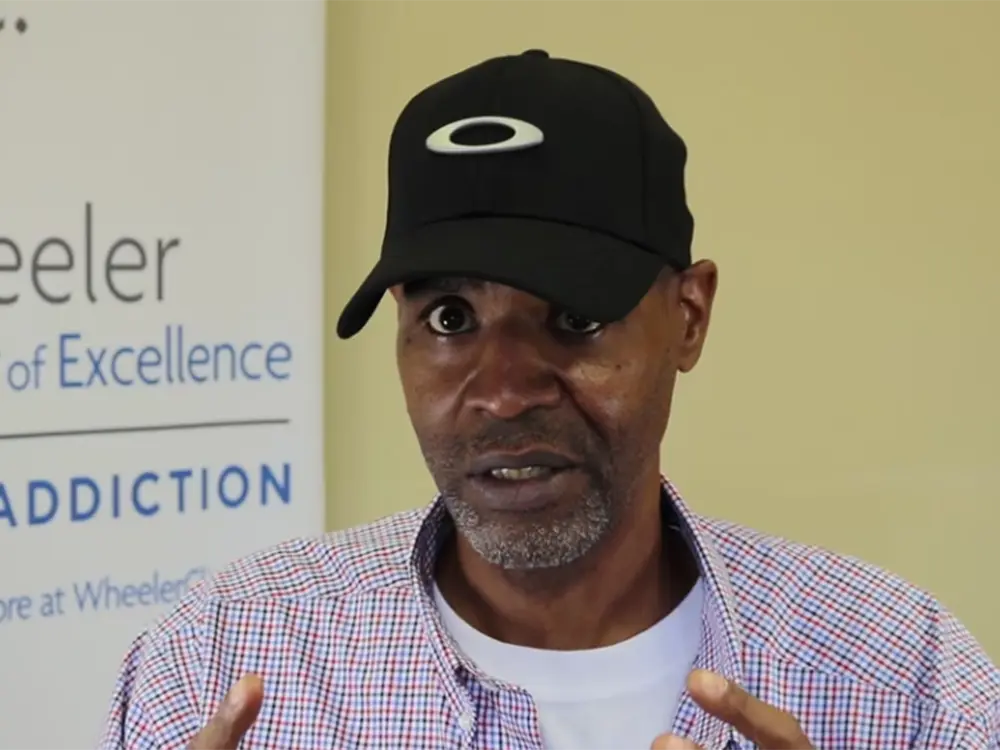
"People are dying. And I don't want to be a statistic."
Rod's story
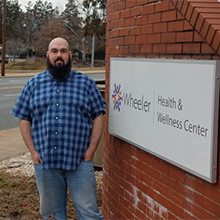
Hear from Rod, who is receiving primary care and addiction services from our Family Health & Wellness Centers.
"I couldn't do it anymore."
Jaie's story
Jaie is ready to go back to school and begin a career in addiction recovery and treatment.
Specialty addiction services
Support for you and your family
The Bettor Choice Gambling Treatment Program helps people and families affected by gambling problems. Services include individual, group, and family therapy, as well as financial and peer counseling. The caring team works with each person to create a plan that meets their unique needs and helps them heal and recover.
PROUD and REACH
Addiction treatment for women offers care that understands and supports the unique challenges women face in recovery. It includes counseling, medical care, and help with issues like trauma, parenting, and relationships. Our PROUD and REACH programs help women heal in a safe, respectful, and supportive environment.
Quick access to treatment help
If you live in Connecticut and need help with drug or alcohol problems, you can call the Access Line. They can connect you to services like detox, medication-assisted treatment, and residential programs. They may also help you get a ride to treatment if needed.

Family-focused
Recovery for addiction, in the community
These programs are funded and supported by the Connecticut Department of Children and Families or the Connecticut Department of Developmental Services.
In-Home Help for Ages 9–18
Multidimensional Family Therapy
Multidimensional Family Therapy (MDFT) supports youth ages 9–18 struggling with substance use, family conflict, and behavioral issues. Therapists work with the whole family in the home to build better communication, parenting skills, and emotional connection. The program also helps teens understand how addiction affects their lives and connects them to community and educational supports for long-term success.
Intensive Family-Centered Treatment
Multisystemic Therapy
Wheeler’s Multisystemic Therapy (MST) helps teens ages 12–18 with serious behavioral and substance use problems. Therapists work closely with families in their homes and communities, offering support 24/7 to reduce drug use, violence, and other risky behaviors. The goal is to improve family life, school success, and emotional health through several months of focused, in-home treatment.
Support for Ages 3–24 in Crisis
Intensive In-home Behavioral Health Services
Wheeler’s IIBHS program helps youth and young adults ages 3–24 dealing with mental health and substance use issues, including crises like self-harm or aggression. Services are provided at home and customized to each person’s needs, with a focus on recovery and staying out of hospitals. Families receive flexible therapy, 24/7 crisis support, and coordination with schools and healthcare providers to keep youth safe and stable.
Family Safety & Addiction Help
Multisystemic Therapy-Intimate Partner Violence
MST-IPV provides in-home therapy for families involved with child welfare due to abuse, neglect, and intimate partner violence (IPV). The program supports healing through safety planning, trauma and substance use treatment, anger management, and parenting help. Families also receive 24/7 crisis support and guidance to address mental health, addiction, housing, and co-parenting challenges.
Family-Focused Teen Substance Help
Multisystemic Therapy - Substance Use
Multisystemic Therapy for Substance Use (MST-SU) helps teens ages 12–18 struggling with addiction and behavioral issues right in their homes. The program empowers parents to manage their child’s behavior and uses proven methods like Contingency Management to encourage sobriety. Families get round-the-clock crisis support, regular drug testing, and personalized therapy to promote recovery and long-term success.
Stronger Families Through Recovery
Multisystemic Therapy - Building Stronger Families
MST-BSF supports families with children ages 6–17 who are involved with child protective services due to abuse, neglect, and parental substance use. The program offers intensive therapy, substance use treatment for parents, crisis support, and help for trauma, depression, and parenting. It’s proven to reduce drug use, improve parenting, and lower the risk of future abuse or out-of-home placements.
Opioid Recovery for Youth
Multidimensional Family Therapy Helping Youth and Parents Enter Recovery
MDFT-HYPE is a home-based treatment program for youth and young adults ages 12–21 with opioid use disorder and complex behavioral challenges. The program combines therapy with connections to Medication-Assisted Treatment (MAT), regular drug testing, and support for school, work, or court involvement. Families or trusted adults join the recovery journey, learning new skills to strengthen relationships and support long-term healing.
Help for DDS-Connected Families
In-home Family Training Program
This program supports families of children ages 3–21 involved with the Department of Developmental Services who face behavioral challenges. Families receive training, counseling, crisis planning, and help managing difficult behaviors to keep their child safe at home. Services include psychiatric support if needed and focus on preventing hospital visits and building family strengths.